
How Often Should Meters Be Calibrated? A Meter Calibration Guide for Pensacola, FL Facilities
Knowing how often to schedule meter calibration can save Pensacola, FL, facilities from failed audits, safety incidents, and costly equipment downtime. This guide covers general calibration intervals by meter type, industry-specific schedules for key Pensacola sectors, and how NIST-traceable certificates keep your facility audit-ready all year.
General Meter Calibration Intervals by Instrument Type
Most facilities should plan calibration intervals around meter type, usage frequency, and the environment where instruments operate. There is no universal answer, but established industry practice offers solid starting points.
Multimeters and Electrical Meters
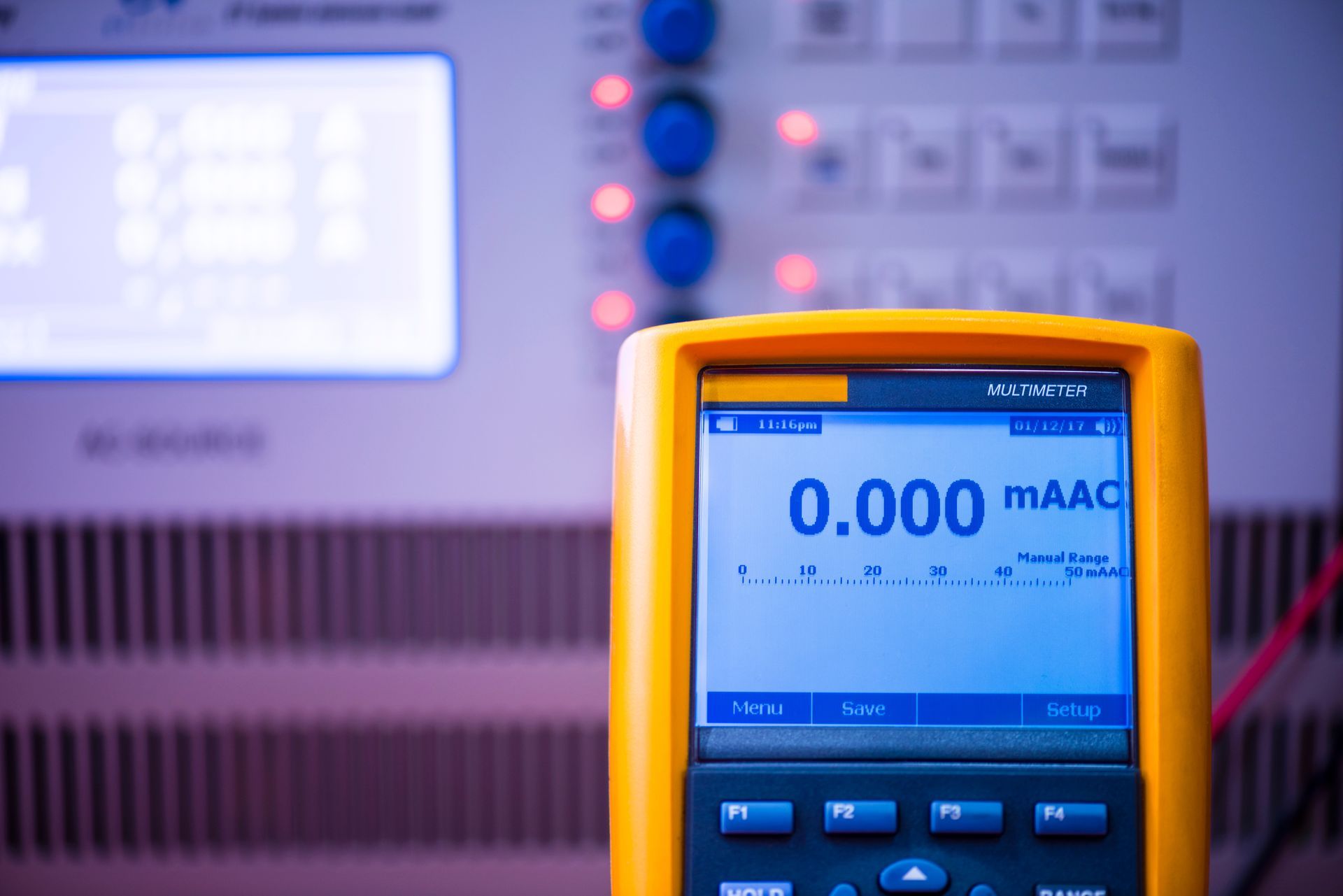
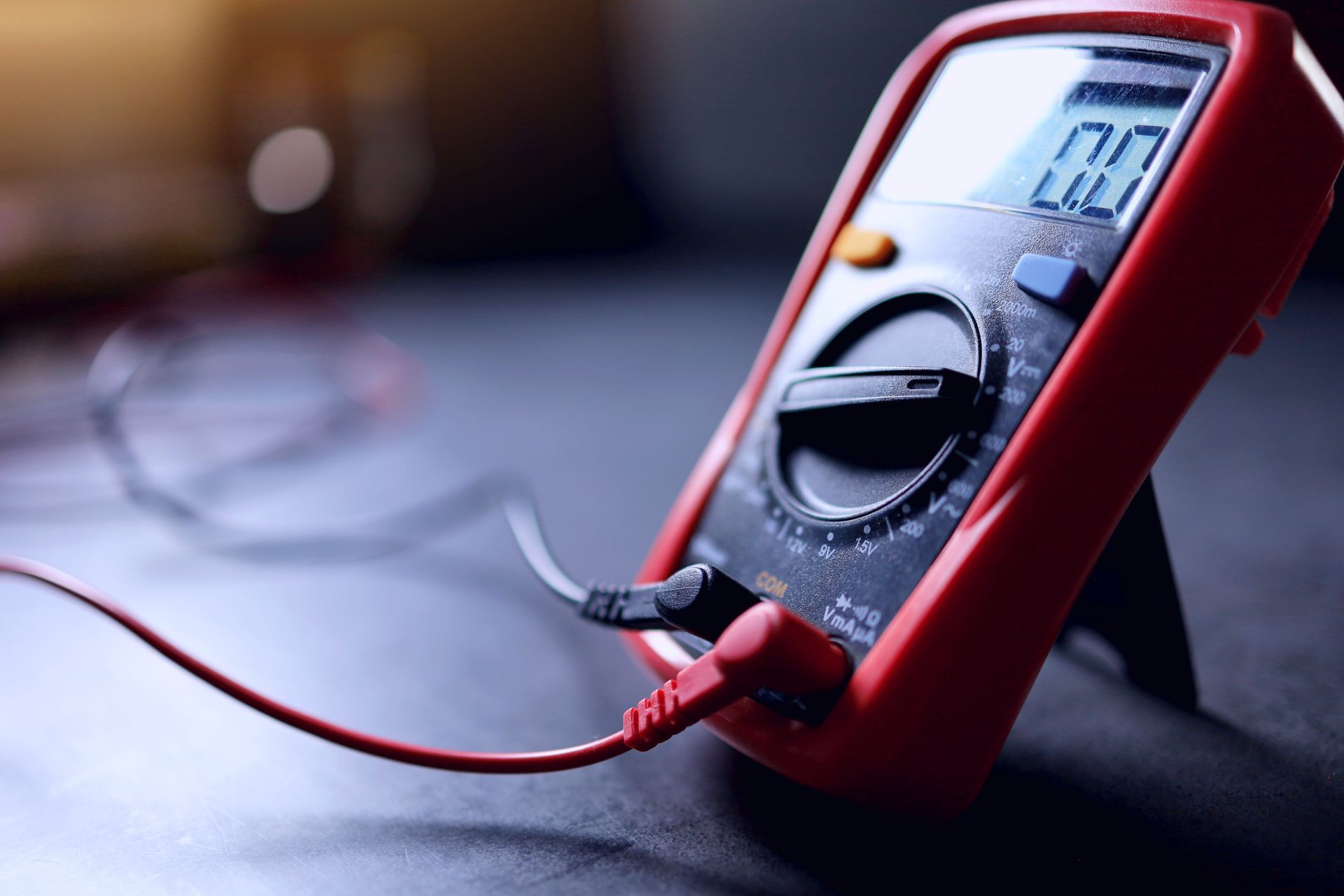
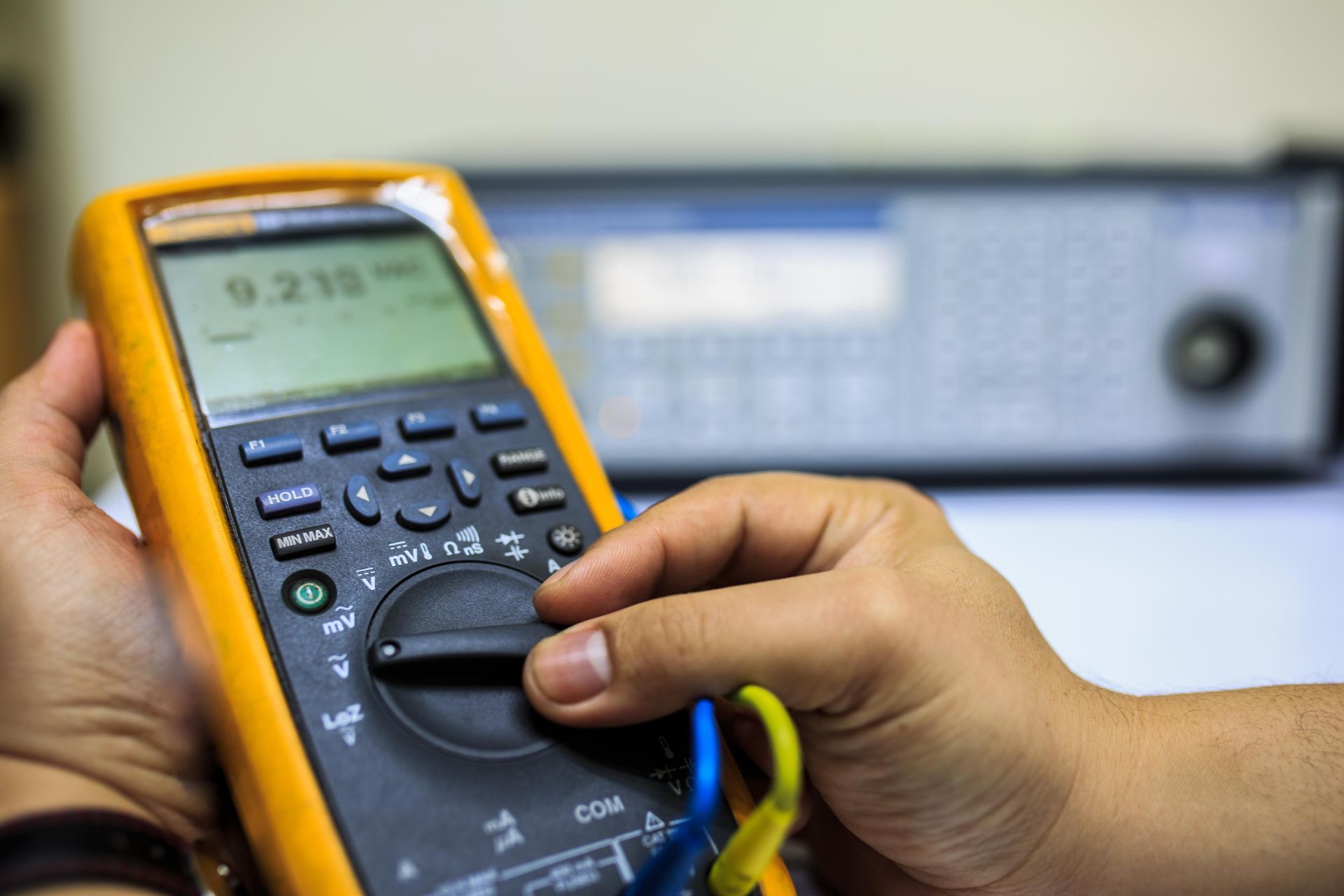
Annual calibration is the most common baseline for multimeters used in general electrical work. However, meters exposed to heavy daily use, voltage spikes, or physical impacts may need more frequent checks. Pensacola's coastal humidity and heat can accelerate drift in electronic components, which makes sticking to a consistent schedule especially important here. If readings fluctuate without explanation or disagree with a known reference, that is a signal your interval may need shortening.
Pressure Gauges and Recorders
Industry standards widely interpret recalibration for pressure gauges as at least once per year for compliance purposes. For gauges in high-cycle or high-vibration environments, like those found in manufacturing or oil and gas applications near the Pensacola Bay area, more frequent intervals are often appropriate. Gauges used in safety-critical systems should be evaluated on a risk-based schedule rather than simply on time elapsed.
Flow Meters and Temperature Sensors
Flow meters and temperature sensors used in process control can drift gradually over time. Annual calibration is a reasonable minimum, but facilities running continuous production lines may find that a semi-annual or quarterly schedule provides better protection against measurement errors going undetected.
Why Pensacola Facilities Often Need More Frequent Calibration
Pensacola, FL, presents specific environmental and regulatory conditions that can shorten calibration intervals compared to inland or less humid regions.
Coastal Climate and Environmental Stress
The Gulf Coast climate brings high relative humidity, salt air, and heat that place added stress on sensitive instrument components. Temperature swings between air-conditioned indoor environments and outdoor work areas can cause readings to drift faster than manufacturer baselines predict. Facilities in Escambia County and Santa Rosa County that operate instruments in field conditions should factor local climate into their calibration planning.
Aerospace and Defense Operations Near NAS Pensacola
NAS Pensacola and surrounding defense contractor facilities operate under strict aerospace quality requirements. Aerospace manufacturing demands extremely tight tolerances, where even minor measurement errors can translate into functional risk. Quality frameworks used in this sector require that calibration intervals be justified based on instrument stability, historical performance, and operational criticality. Meter calibration in Pensacola, FL, tied to aerospace or defense contracts typically follows a documented, risk-based schedule rather than a simple annual default.
Manufacturing and Industrial Facilities
Pensacola's manufacturing sector, which includes industrial operations along the port corridor and US-90 industrial zones, relies on consistent measurement to maintain product quality and regulatory compliance. High-use tools in production environments often need calibration more frequently than once per year. Any tool that is dropped, overloaded, or exposed to an unusual event should be recalibrated before returning to service, regardless of where it sits on the calendar schedule.
Healthcare and Clinical Environments
Healthcare facilities across the Pensacola metro, from large hospital campuses to outpatient clinics, use electrical and measurement equipment that must meet clinical accuracy standards. Poorly calibrated instruments in a healthcare setting create both patient safety and regulatory risks. Clinical equipment is often subject to facility-level calibration programs that set intervals based on device criticality and regulatory requirements rather than broad annual defaults.
How NIST-Traceable Certificates Satisfy Audit Requirements
A NIST-traceable calibration certificate does more than confirm a meter was checked. It creates a documented chain of measurement traceability back to national standards, which is what auditors actually verify.
When an ISO 9001, AS9100, or Joint Commission audit occurs, inspectors look for calibration documentation that includes stated measurement results, uncertainty data, and reference standard information. A certificate showing only pass or fail results, without stated uncertainty data, does not meet the full requirements of metrological traceability. Auditors familiar with ISO/IEC 17025 will flag this type of gap immediately.
For Pensacola facilities subject to federal contract requirements or healthcare regulations, NIST-traceable certificates provide legally and scientifically defensible measurement records. That documentation can be the difference between a smooth audit and a costly corrective action.
When You Should Calibrate More Frequently Than Your Schedule Says
Certain events should trigger an immediate out-of-cycle calibration, regardless of when the last scheduled service occurred. These include:
▸ Any meter that has been dropped or subjected to mechanical shock.
▸ Instruments exposed to electrical overload or surge conditions.
▸ Equipment that produces readings inconsistent with a verified reference.
▸ Meters returning to service after extended storage.
▸ Instruments used in a new application with tighter tolerance requirements.
Regular calibration also extends equipment life and reduces unexpected failures in the field. Planned calibration is almost always less disruptive and less costly than discovering a problem during production or a regulatory inspection.
Make Meter Calibration Simple for Your Pensacola Facility
Staying on top of calibration schedules does not have to be complicated when you have the right partner. Mobile Instrument Company serves facilities throughout Pensacola, FL, with professional meter calibration services backed by ISO/IEC 17025 accreditation and NIST-traceable standards. Whether your facility needs routine annual service, expedited turnaround, or on-site calibration to minimize downtime, the team is ready to help.
Explore calibration services for
Pensacola, FL to learn more about available instrument types and service options. Ready to schedule or request a quote?
Contact us online or call
251-660-7474 today.