
How Often Should Meters Be Calibrated? A Practical Guide to Meter Calibration Schedules
Knowing the right meter calibration schedule can prevent costly errors and compliance failures across industrial and commercial operations.
Industries in Gulfport, MS, from port operations to petrochemical facilities, depend on precise instruments every day. When those instruments drift out of tolerance, the consequences range from failed audits to safety incidents.
Why Calibration Frequency Matters
Meters naturally drift over time due to wear, temperature swings, humidity, and heavy use. Along the Gulf Coast, high humidity and salt air can accelerate drift in pressure, flow, and temperature instruments. Many operations also work under OSHA, ISO 9001, or industry-specific requirements that mandate documented calibration schedules.
How Often Should Each Meter Type Be Calibrated?
Calibration intervals vary by instrument type, application, and environment. Most guidelines suggest the following general ranges:
▸Flow meters in high-volume or custody-transfer service may need calibration every three to six months, more frequently in abrasive or corrosive conditions.
▸Pressure gauges in standard industrial service are often calibrated annually, but critical safety service may call for quarterly checks.
▸Temperature sensors typically follow a six-month to annual cycle, though sensors exposed to rapid cycling or extreme ranges may need more frequent attention.
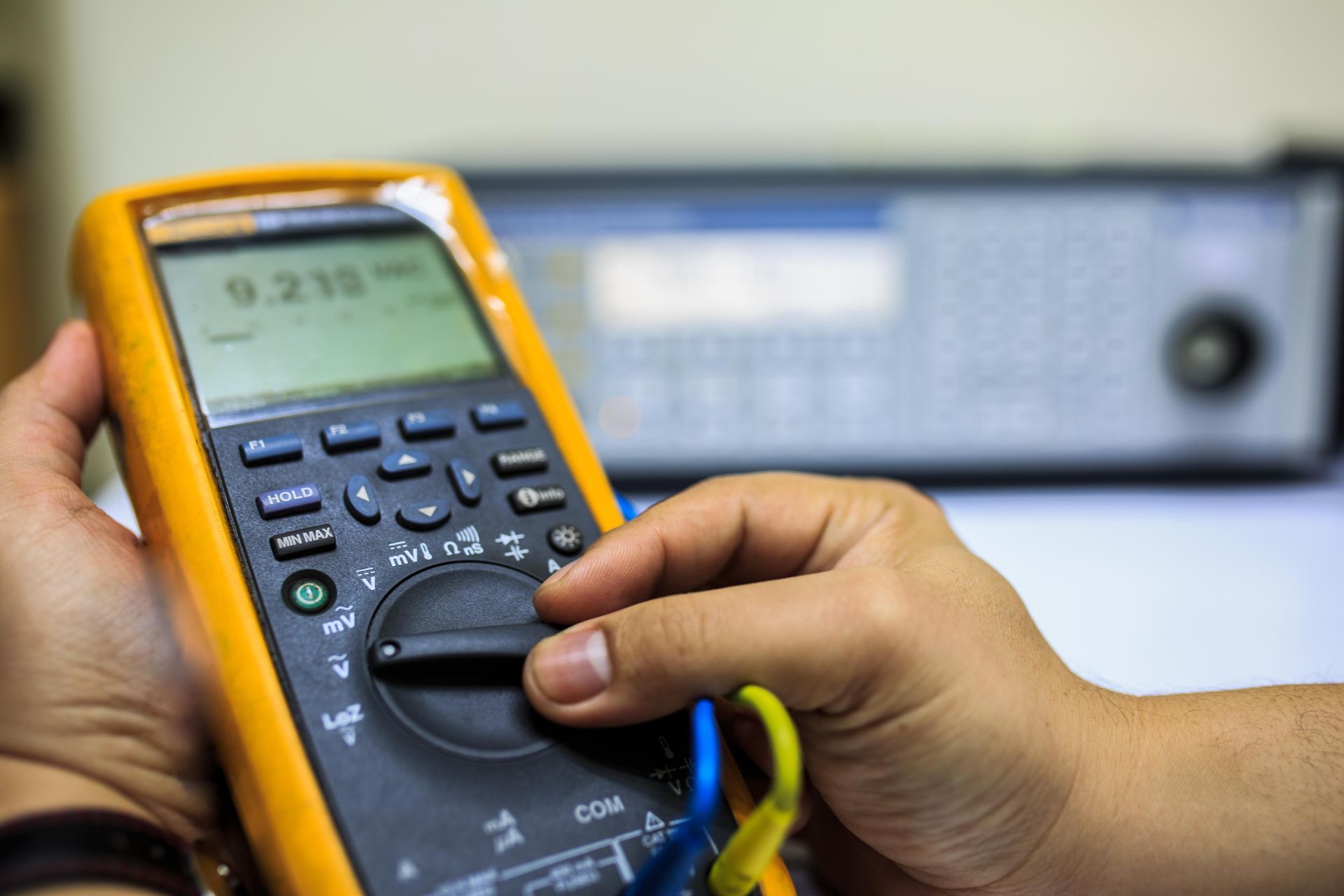
▸Electrical meters such as multimeters and clamp meters are commonly calibrated annually, or whenever a drop, overload, or suspect reading occurs.
Your actual schedule should be based on manufacturer recommendations, historical drift data, and your regulatory requirements.
Key Factors That Can Shorten Your Calibration Cycle
Heavy usage, multiple shifts, and harsh field environments increase drift risk. The humidity and heat common in Gulfport, MS, can also accelerate wear on sensitive components. Other factors that may shorten your interval include a recent equipment drop or overload event, a failed or borderline previous calibration result, or a change in measured process conditions.
What Happens If a Meter Is Overdue for Calibration?
An overdue meter may appear to work normally, but its readings cannot be trusted without verification. In regulated industries, this can invalidate recorded data and require costly rework or documentation.
Can Calibration Be Done On-Site?
On-site meter calibration is often the most practical option for facilities where equipment cannot be easily removed. Technicians come to your location, calibrate against traceable standards, and return instruments to service quickly, reducing shipping risk and minimizing downtime.
What Is a Traceable Calibration Standard?
A traceable calibration means the measurement standard used can be traced back to a national or international authority such as NIST. This traceability is required for ISO compliance and many regulatory frameworks.
How Do I Know When to Update My Calibration Schedule?
Review your schedule whenever a meter shows unexpected drift, after any process change, or at least annually. Historical calibration records are the best tool for identifying instruments that consistently drift and may need shorter intervals.
Get Reliable Meter Calibration Serving Gulfport, MS
Consistent calibration scheduling protects your instruments, your data, and your compliance standing. Mobile Instrument Company serves Gulfport, MS, and the surrounding Gulf Coast region with professional
calibration services built on traceable standards and ISO/IEC 17025-accredited processes. Call
(251) 660-7474 to schedule service or request a quote, or
contact us online to get started. You can also find us on Google and read what our customers are saying at
Mobile Instrument Company.